
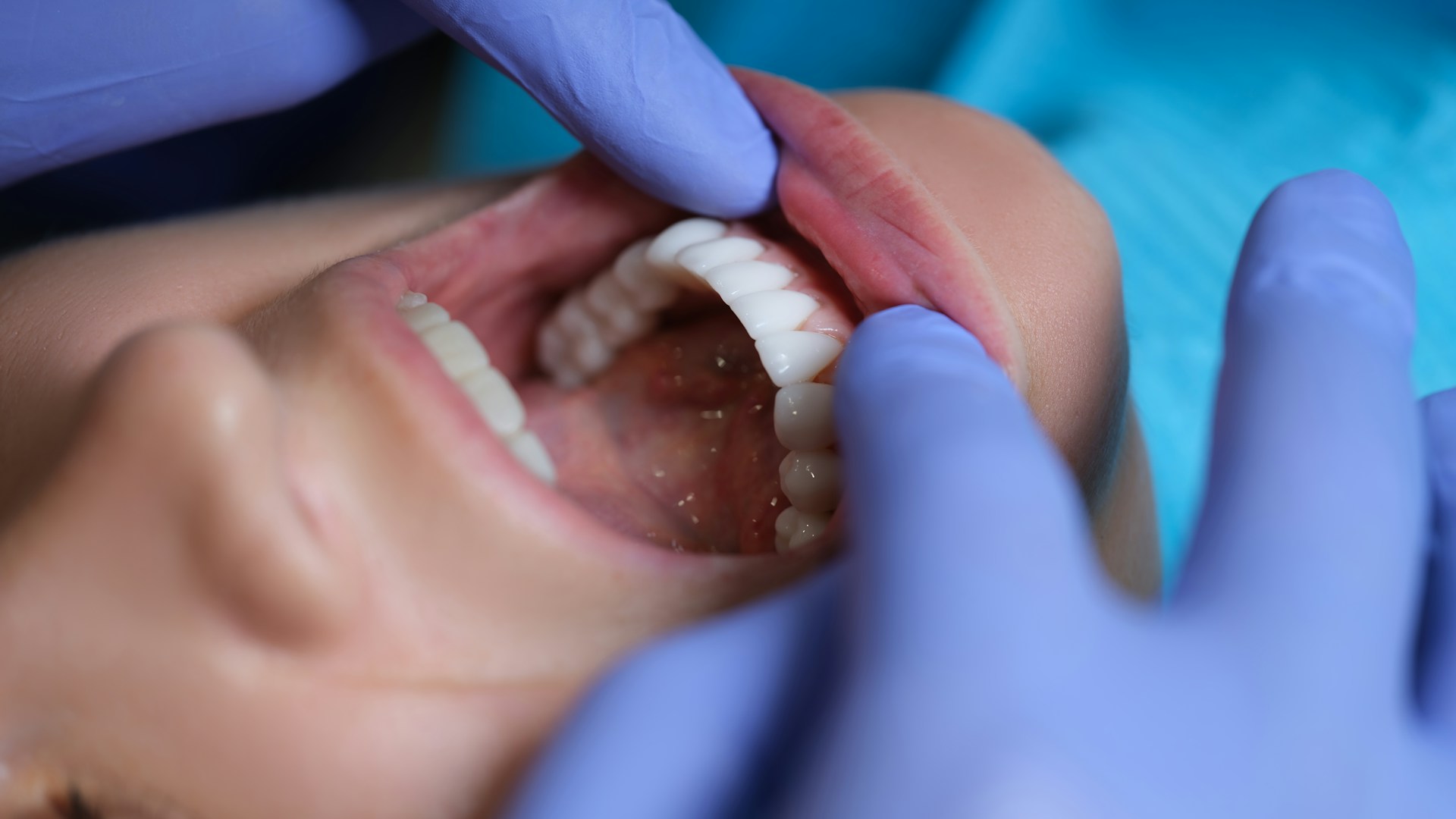
Small daily habits can quietly undo a beautiful veneer smile long before the porcelain itself wears out. Someone can be very careful about brushing, flossing, and avoiding obvious risks, yet still see chips, lines, or gum changes around their veneers after a short time.
That is because habits like nail biting, pen chewing, crunching ice, dragging a fork on your teeth, sticky protein bars, toothpicks, and mouth breathing each leave a unique "stress map" on your veneers. The damage is not random; it shows up in very specific spots, in very specific ways. If you have porcelain veneers in the Bay Area, where waitlists are common and expectations are high, this matters a lot for how long your smile looks fresh.
Our goal here is not to tell you to change your whole lifestyle. Instead, we want to show you exactly how each habit stresses certain parts of your veneers and how to adjust those habits without changing what you eat or drink. This is especially helpful during busy social seasons, when travel, snacking, and constant photos put your smile on display all day.
Nail biting and pen chewing usually go straight for the front teeth. The damage pattern often looks like this:
• Tiny chips or rough spots on the biting edge of the top front veneers, especially the two center teeth
• Fine vertical "check lines" that catch light in photos and can make the surface look older or dry
• Slight loss of that clear, glassy edge on just one or two teeth
• Occasional redness or irritation at the gumline where nails press into the same area over and over
Veneers are carefully shaped and usually thinner at the edge than natural enamel. When you press a hard object like a nail or pen against the same narrow band again and again, the force does not spread out. It concentrates in one strip of porcelain, which can lead to micro fractures and surface changes.
You do not have to force yourself to stop cold. You can change how you give your brain that "bite feedback" it wants.
Helpful swaps:
• Keep a soft silicone chew, textured stress tool, or sugar-free xylitol gum in easy reach in the car, at your desk, and by the couch
• Use short manicures, finger covers, or a clear bitter nail polish during known stressful weeks
• Set gentle phone or wearable reminders for commute times, since many people bite nails or pens on BART or in traffic
The goal is not perfection. It is to reduce direct, hard pressure on the thin front edges of your veneers.
Summer drinks, quick meals, and "healthy" snacks can be rough on veneer edges if you are not careful with how you bite.
Ice has a very classic stress pattern:
• Jagged, uneven chips along the lower edge of your upper front veneers
• One tooth edge slightly shorter or rougher than its neighbor
• Faint cloudy "frostbite lines" near the biting edge from repeated cold plus crunch stress
Forks and spoons can do sneaky damage too. Pulling metal utensils between your front teeth or tapping them on your veneers can cause:
• Fine horizontal micro scratches, usually more on your favorite "fork side"
• Tiny edge flakes that make the front teeth feel less smooth
• A duller surface that holds more stain from coffee, tea, matcha, or red wine
Protein bars and dense granola bars are another hidden problem. Many of them are thick, sticky, and very firm at first bite. When you tear into them with your front teeth, they can twist and torque the veneers and the bonding cement underneath.
You might notice:
• New sensitivity when you bite into firmer foods
• A single veneer that feels slightly different or "hollow" compared to the others
You can keep all your favorite foods with a few small habit tweaks:
• For ice, choose crushed or nugget ice and let it melt on your tongue, or if you must crunch, use only your back teeth
• For utensils, place the food fully into your mouth before closing, and try silicone-tipped or bamboo utensils at home if you know you are a "tooth scraper"
• For protein bars, pre-cut them into small pieces and chew on your back teeth, keeping a small knife or bar cutter in your bag, car, or desk
Toothpicks seem harmless, but over time they can carve into the most delicate part of your veneers, the margins where porcelain meets natural tooth.
Common damage patterns from toothpicks include:
• Little triangular notches right at the veneer to tooth junction, especially between the front teeth
• Dark spaces or "black triangles" that catch stain and make veneers look slightly lifted at the edges
• Small nicks in the porcelain or weakened bonding at contact points from aggressive picking
Mouth breathing is a different kind of problem. When your mouth stays open, especially at night or during allergy flare-ups, the protective saliva film dries out. This affects both veneers and natural teeth.
Dry mouth wear often shows up as:
• Veneers that look more matte than glossy
• Faster surface staining, even if you brush well
• Gums that look irritated or start to recede unevenly around the porcelain
In the Bay Area, allergies and smoke from seasonal wildfires can make nasal breathing harder, which means more nighttime mouth breathing and morning dryness.
Helpful upgrades:
• Swap wooden toothpicks for soft interdental brushes or a water flosser, and keep a compact brush in your bag for after meals
• Talk with a dentist or ENT if you notice snoring, chronic stuffiness, or waking with a dry mouth, and consider simple aids like nasal strips or a bedroom humidifier
• If you both clench and mouth breathe, ask about a custom nightguard designed for veneers so the porcelain keeps its smooth surface longer
You can learn a lot from a simple "stress map" check-in the mirror.
• Uneven edges or one front tooth that looks a bit shorter or rougher
• Tiny chips or flakes on only one or two teeth
• Horizontal lines near the biting edge
• Darker triangles near the gums or between teeth
• A rough patch that catches on your tongue or floss
Pay attention to where you see changes. Is it mostly on your left side, where you hold your fork? Is it the same front tooth you use when you bite your nails? Is one spot always where food gets stuck and you reach for a toothpick?
If you notice:
• Repeated chipping in the same place
• New roughness when you run your tongue along the edges
• Staining that does not respond to whitening toothpaste
it is time for a veneer checkup and habit audit. A cosmetic dentist who focuses on function and aesthetics can use magnification and bite analysis to spot exactly which habits are putting pressure on which teeth.
For many people with porcelain veneers in the Bay Area, life is fast and often stressful. Long commutes, tech work, constant snacks at the desk, and late-night screen time can all add up to more jaw clenching, pen chewing, and dry mouth. A prevention plan that matches your real routine, including how you work, eat, travel, and relax, makes veneers last longer and look better.
The most realistic way to protect your veneers is to start with one habit, not all of them. Pick the one that matches what you see in your stress map, such as:
• Nail and pen marks on the front edges
• Chips from ice or hard snacks
• Notches or dark gaps from toothpicks
• Dull, dry-looking veneers from mouth breathing
Make one small change this week and give yourself reminders where you need them most, like a note on your monitor, the car dashboard, or near your favorite snack drawer.
At Dr. Lior Tamir, we focus on cosmetic and reconstructive dentistry that balances beauty, comfort, and long-term function. With custom, technology-driven porcelain veneers and thoughtful habit coaching, we aim to design smiles that fit how you truly live, not just how you wish you lived. Protecting your veneers is not about perfection; it is about knowing your patterns and making simple, realistic tweaks so your smile stays strong, comfortable, and ready for every photo.
If you are ready to upgrade your confidence with a brighter, more balanced smile, we invite you to explore how Porcelain veneers in the Bay Area can work for you. At Dr. Lior Tamir, we take time to understand your goals so we can design veneers that look and feel like your natural teeth. Schedule your consultation online today or contact us with any questions about the process.
