
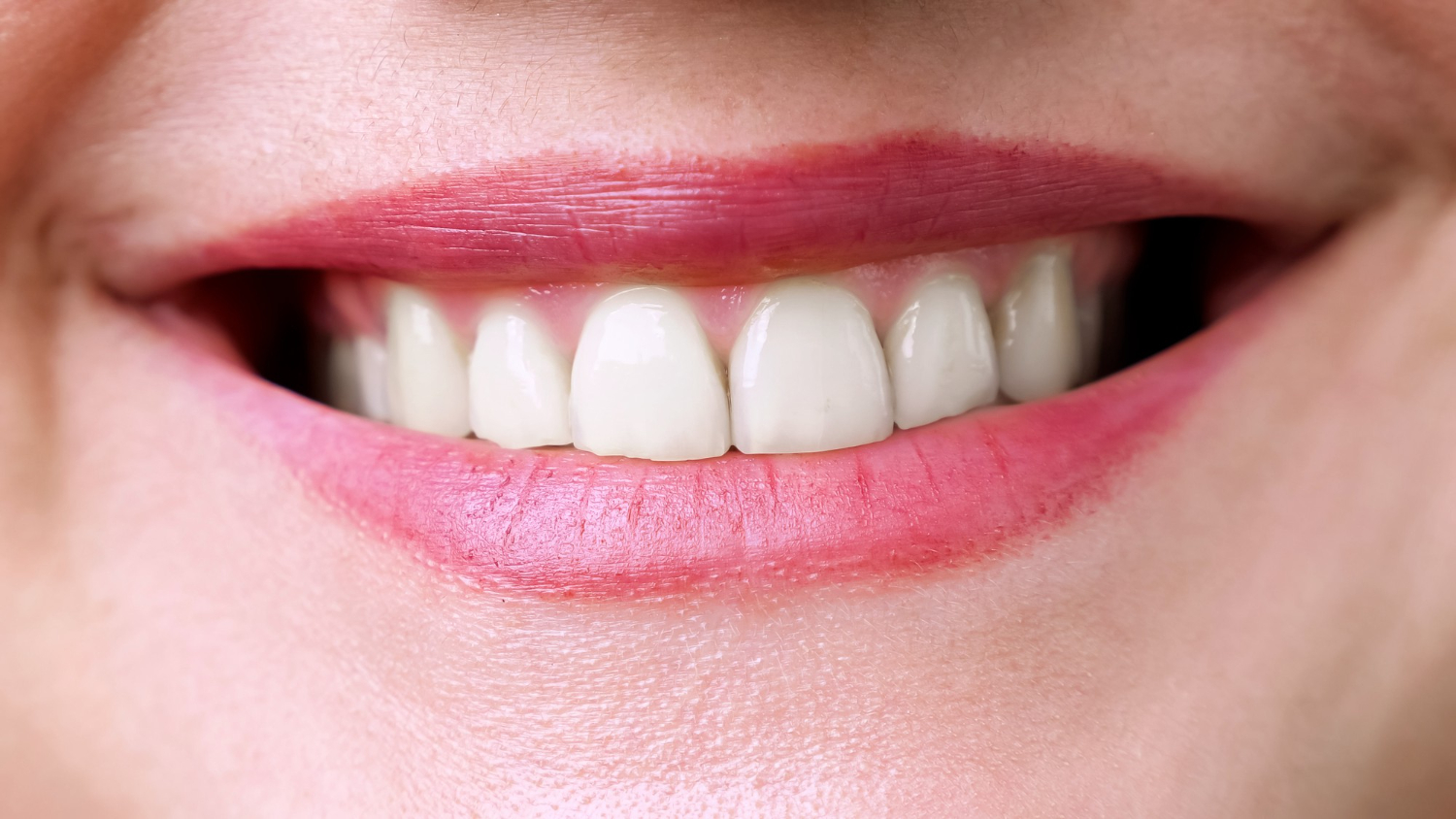
Porcelain veneers are thin, custom-made shells that cover the front surface of your teeth. They can change the color, shape, and alignment of a smile in a way that feels natural and looks bright for years. Many people choose veneers for a long-lasting smile makeover that does not require full crowns on every tooth.
Even when veneers are well designed, early warning signs can show up if something is off with the bonding, your bite, or your gum health. Small changes in color, shape, or how your teeth feel can be easy to brush off. Waiting too long can lead to pain, broken veneers, or damage to the underlying tooth.
Catching problems early gives us more options. Often, we can protect both the veneer and the tooth with a small adjustment instead of major repair. As spring plans build up in San Mateo with graduations, weddings, and travel on the calendar, this is a smart time to check that your smile is ready for every photo and celebration.
Color changes around veneers are one of the first signs that something might be wrong.
Watch for:
Surface stains from coffee, tea, red wine, or tobacco usually sit on top of the veneer and can often be polished during a professional cleaning. Deeper color changes, especially at the edges, may mean problems at the bond line or even decay starting around the tooth. Whitening products will not lighten porcelain, so if your veneers look darker while your natural teeth lighten, it is time for an expert check.
Microcracks, chips, and roughness are another early red flag. Microcracks can show up as:
Night grinding, chewing ice, biting pens, or crunching very hard foods can create tiny fractures in porcelain. Some small chips only affect the outer edge and are more cosmetic. Others hint at deeper stress that can lead to a full break if we ignore them. Only an in-person exam can tell which kind you have.
Pay attention to any changes in fit or symmetry. Veneers that once lined up smoothly may start to look:
These shifts can point to bonding changes, bite changes, or pressure on specific teeth. Taking close-up selfies in good daylight every few months can make it easier to spot slow changes you might not see in the mirror day to day.
Healthy gums around veneers should be pink, snug, and comfortable. They should not bleed when you brush or floss with normal pressure. Redness, swelling, or bleeding around just one or two veneers is a warning sign.
Common gum warning signs include:
These can be linked to plaque buildup at the veneer margins, over-contoured porcelain that traps food, or bonding material that is rough and irritates the tissue. If we catch this early, gentle cleaning, polishing, and minor reshaping can calm the area before it turns into gum disease.
Gum recession is another big clue. When gums pull back, you may notice:
Recession can also leave root surfaces exposed, which often makes teeth sensitive to cold air or drinks. Clenching, aggressive brushing, or veneers that are not shaped well near the gum can all add to recession over time.
Persistent bad breath or a “funky” taste around veneer edges is not normal. Tiny gaps between a veneer and the tooth can collect food and bacteria. That trapped buildup can lead to odor, decay, and gum problems. Early evaluation lets us smooth the margins, adjust the contours, and treat infection before major damage happens.
Not every veneer problem is easy to see. Some you only feel. A veneer that feels loose or different when you tap it needs attention. Signs of possible bond failure include:
Even if it looks fine in the mirror, a gap between veneer and tooth gives bacteria a path to get in. That can lead to decay or sudden veneer loss. It is important not to press on a loose veneer or try over-the-counter glues, which can damage both porcelain and tooth.
New sensitivity is another strong signal. A little sensitivity right after veneers are placed can be normal. But months or years later, new patterns like these are not:
These symptoms can be caused by microleaks at the bond line, small cracks, bite stress, or decay under or around the veneer. The earlier we find the cause, the simpler the solution usually is.
Headaches, jaw fatigue, and signs of night grinding are also tied to veneer health. When your bite is off even slightly from a chipped or shifting veneer, certain teeth and jaw joints can be overloaded. You might notice:
A custom nightguard or a small bite adjustment by a cosmetic dentist can often protect your veneers and ease these symptoms.
Some veneer problems can wait a short time, but others need quick care. You should seek help right away if you notice:
These signs can appear right before big spring events, which makes timing feel stressful. Getting prompt help usually means better comfort and a more stable fix than trying to patch things at home. Temporary fixes like super glue or mail-order repair kits can trap bacteria, damage the surface, and make professional repair much harder.
There are also “sooner rather than later” signs that deserve a quick check:
Seeing a dentist when these first appear often leads to simple options like polishing, bonding touch-ups, gum care, or a nightguard. Waiting can turn a small issue into a full veneer replacement. If you have not had a dental visit in 6 to 12 months, or if you recently moved to the San Mateo area or changed habits, a veneer wellness check is a smart idea.
When choosing someone for dental veneers in San Mateo, training in both cosmetic and reconstructive dentistry helps. You want a dentist who looks closely at edges, bonding, gum health, and how your teeth meet when you bite. Tools like magnification, digital photos, and advanced imaging help spot tiny problems early. An experienced cosmetic dentist can adjust function and appearance together so your smile looks natural and feels comfortable.
Daily habits play a big role in how long veneers last. We often recommend:
Consistent home care is especially helpful during busy spring schedules, travel, or allergy season, when sinus pressure or mouth breathing can change how your teeth and gums feel.
Smart timing for checkups keeps your smile on track. Twice-a-year exams and cleanings let us spot tiny changes before they bother you. Many people like to plan one visit 4 to 6 weeks before major life events or photo-heavy occasions, so there is time for any fine-tuning. An annual “veneer audit” with close-up photos, bite checks, and gum evaluation is one of the best ways to protect your investment.
If you already have porcelain veneers, or you are thinking about dental veneers in San Mateo, it helps to see them as a partnership between you and your dentist. Honest assessment does not always mean replacement. Often, small tweaks can keep your veneers stable, your gums healthy, and your bite comfortable. Working with a skilled cosmetic and reconstructive dentist like Dr. Lior Tamir can help your smile stay bright, natural, and camera-ready through every season.
If you are ready to explore how a brighter, more confident smile can fit your life, we invite you to schedule a consultation for dental veneers in San Mateo. At Dr. Lior Tamir, we take time to understand your goals and design a treatment plan tailored to your teeth, timeline, and comfort. Reach out with questions or to book an appointment through our contact us page.
