
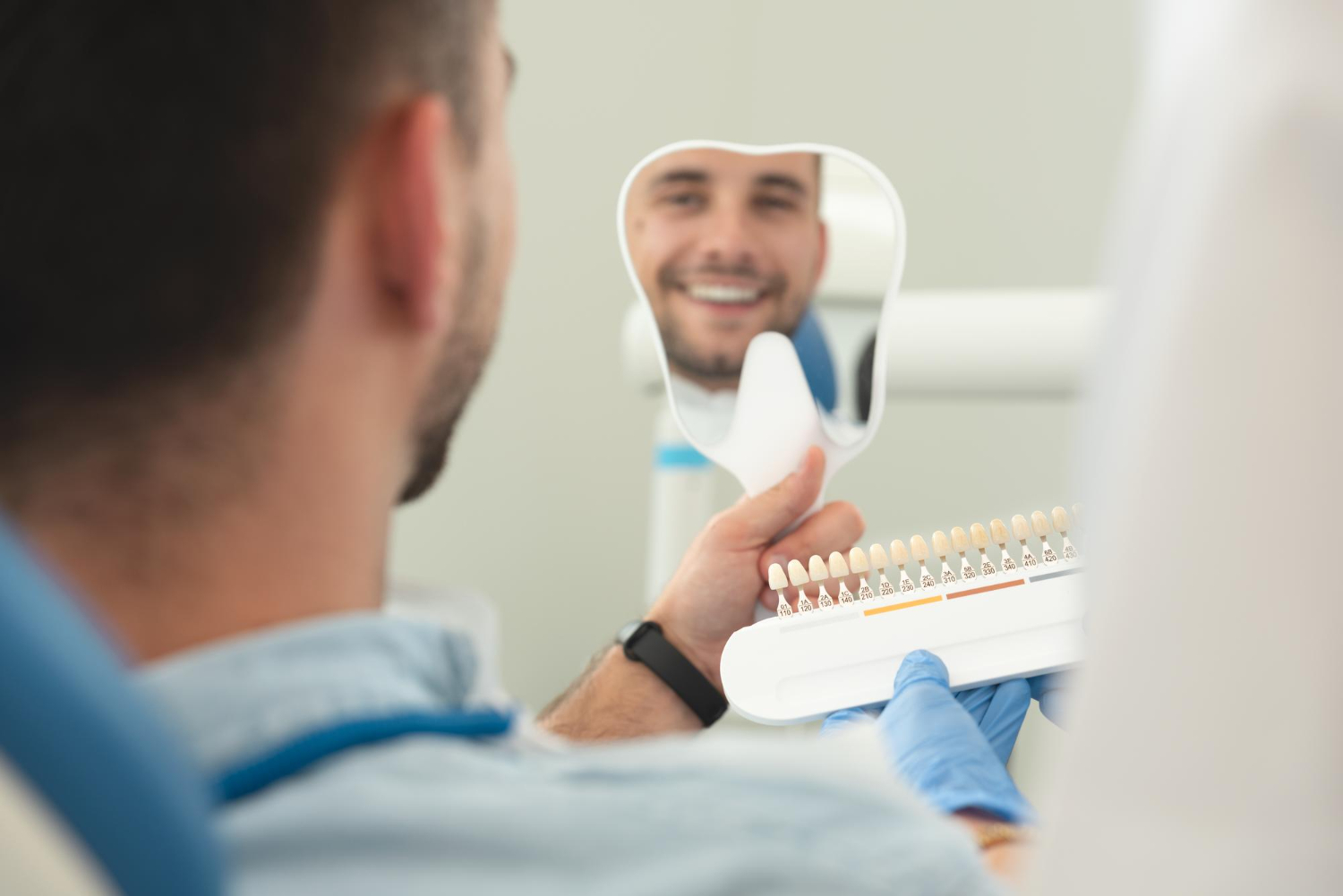
No-prep veneers sound almost too good to be true: no drilling, no shots, and a quick smile upgrade. When social calendars fill up and photos are nonstop, the idea of walking into a Bay Area event with a brighter, straighter-looking smile is very tempting.
But here is the part social media leaves out: not everyone can safely get no-prep veneers. When they are used on the wrong teeth, they can look bulky, bother your bite, irritate your gums, or even lead to future damage. A pretty smile that does not feel good is not a win.
At our office, we focus on cosmetic dentistry that respects how your teeth, bite, and gums all work together. We love no-prep veneers for the right patient, but sometimes a tiny amount of shaping, called micro-prep, is actually the smarter and more conservative choice. In this article, we will walk through who really fits no-prep veneers, who does not, what common “misfits” look like, and when micro-prep gives you a healthier, more natural result.
No-prep veneers are very thin porcelain shells that bond directly to the front of your teeth. In many cases, we do not need to drill or remove enamel. Often there is no anesthesia, and the whole process can feel very gentle and relaxed.
They can be a great option for:
Conventional veneers are thicker. For those, we usually reshape some enamel so the veneer can sit in the right position without looking bulky. With no-prep veneers, we try to keep all your natural enamel and simply add porcelain on top.
A few important points to understand:
So, no-prep veneers are real, but they are not a shortcut around thoughtful diagnosis.
Some smiles are almost made for no-prep veneers. In these cases, adding thin porcelain improves both looks and function without making teeth too thick.
You may be a good candidate if your teeth are:
Alignment and bite matter a lot. No-prep works best when:
Shade and expectations are another key part. No-prep veneers are thin, so:
In the right cases, no-prep veneers can blend so well with your face and lips that they simply look like the smile you were born to have.
The problems show up when no-prep veneers are forced onto teeth that need something different.
Alignment red flags include:
If we add porcelain to teeth that are already out of line, you often get:
Bite problems are another big trap. No-prep veneers are thin, but they still add thickness. If you already have:
Then poorly planned no-prep veneers can chip, break, or feel uncomfortable very fast. Bite forces in the jaw are strong, and the porcelain needs to be placed in a way that shares those forces safely.
Shade and thickness issues show up with darker teeth:
Since no-prep veneers are so thin, the natural color can show through. If we try to force a no-prep approach on a very dark tooth, the final result can look gray or dull, especially in softer fall and winter lighting. In these cases, a little space from micro-prep lets us use porcelain in a smarter way for a clean, even shade.
Micro-prep veneers use the same type of porcelain, but we remove a very small, controlled amount of enamel. This is still a conservative approach, just with more freedom to shape and protect your smile.
For function, micro-prep lets us:
For aesthetics, micro-prep often gives better control:
For long-term health, a tiny bit of prep can actually prevent problems:
Minimally invasive does not always mean “touch nothing”. Sometimes it means “do a little now, so we do not have to fix bigger issues later”.
At our Bay Area practice, we slow things down before we speed up your smile. The first step is a full look at your teeth, bite, and face.
We typically:
We also like to use digital mockups or “trial smiles”:
Then we talk honestly about:
Our goal is not to force you into a trend. It is to choose a path that keeps your teeth, bite, and gums happy long-term while giving you a smile you are proud to share in every season.
If you are ready to explore a more confident smile without drilling or extensive procedures, we invite you to discover how our no-prep veneers can work for you. At Dr. Lior Tamir, we take time to understand your goals and design a treatment plan tailored to your teeth and lifestyle. Schedule a consultation today or contact us with any questions so we can help you take the next step toward the smile you want.
