
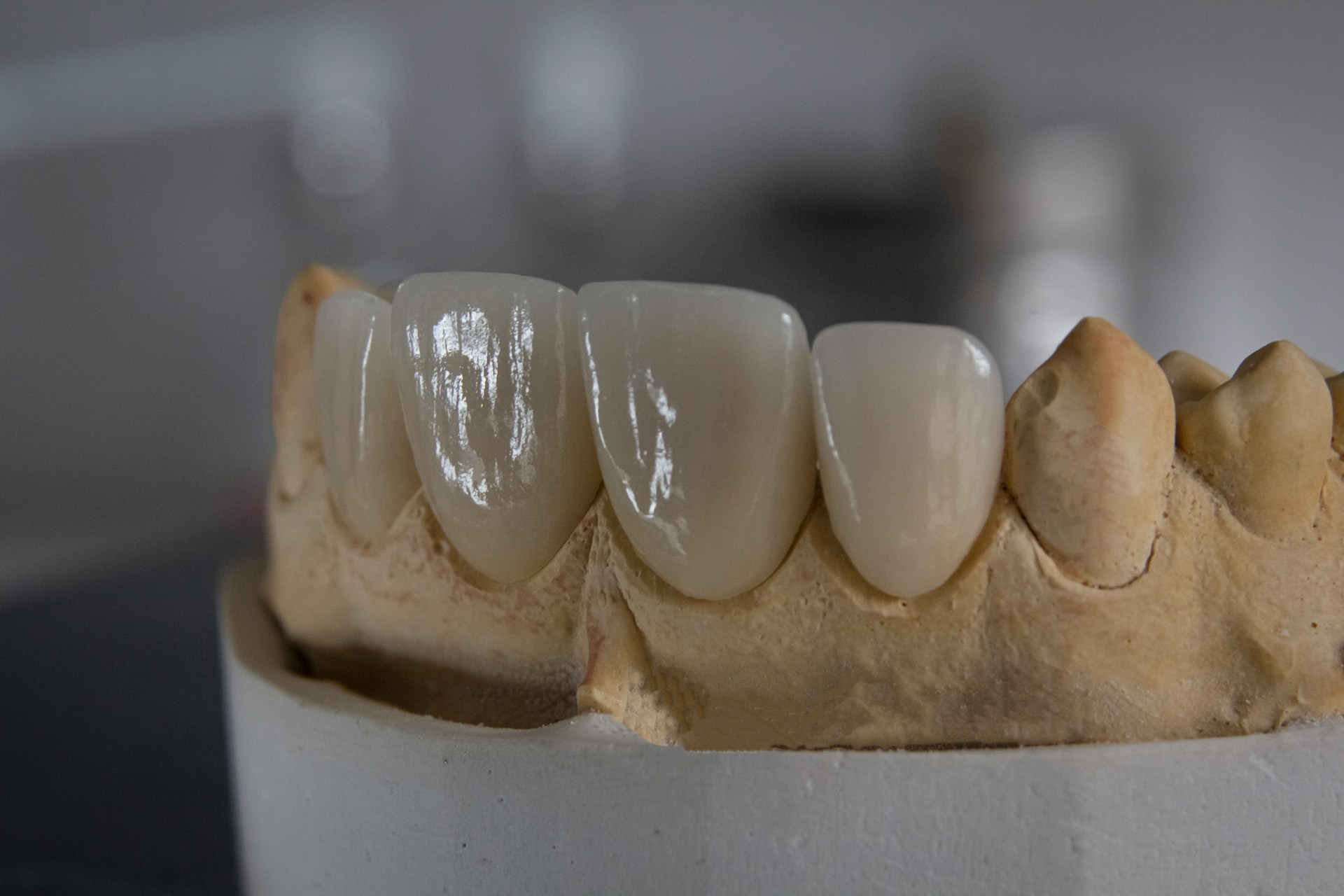
Porcelain veneers in Silicon Valley are often paired with high-tech tools, digital scans, and beautiful lab work. Yet even when veneers look perfect on day one, they can still chip, stain at the edges, or come loose much earlier than they should. The problem is usually not the porcelain itself; it is the details between the lab and your mouth.
Behind every long-lasting set of veneers are five quiet factors that most people never see: bonding protocol, cement selection, occlusion adjustments, retainer or night guard fit, and a smart recall schedule. When these are rushed or skipped, veneers that could have lasted well over a decade may start failing in just a few years. When they are done with care, your smile is more likely to stay strong, natural, and comfortable through busy work seasons, travel, and special events.
Bonding is the step where your veneer actually becomes part of your tooth. It happens in layers you cannot see, but it is what keeps the porcelain firmly attached through thousands of meals, meetings, and late-night emails.
A strong bond depends on details like:
• Correct surface prep of enamel and dentin
• Keeping the tooth totally dry from saliva and blood
• Using the right etch, primer, and adhesive for the specific tooth
• Allowing the right amount of time for each layer and light curing
Shortcuts that quietly shorten veneer lifespan include:
• Skipping rubber dam isolation and relying only on cotton rolls
• Letting saliva contaminate the surface right before bonding
• Rushing the light-curing step or curing from the wrong angle
• Relying on a single "universal" bottle for every situation
A Silicon Valley-style approach to cosmetic dentistry blends digital planning with careful hands-on work at the chair. That means we care as much about how we control moisture, timing, and curing as we do about how the veneers look. Patients should feel comfortable asking questions like, "How will you isolate my teeth when you bond the veneers?" or "What steps do you take to keep the bonding clean and dry?"
Between the veneer and your tooth is a very thin layer of cement. It may look minor, but it has a huge effect on how your veneers look on camera, in bright California sunlight, and years down the line.
There are different types of cements, such as:
• Traditional resin cements that need separate bonding steps
• Self-adhesive cements that try to combine steps
• Specialized systems matched to certain porcelains and shades
If the cement does not match the porcelain type, it can lead to early debonding or visible dark lines at the edges. Cement shade and opacity matter too. The right choice:
• Keeps your smile from looking flat or chalky
• Helps your veneers blend with your natural teeth
• Reduces the risk of visible staining at the margins
A dentist focused on cosmetic dentistry in Silicon Valley will look beyond the marketing labels and think about things like long-term color stability, wear at the edges, curing depth under thicker veneers, and how the cement interacts with your tooth color. Those choices help your veneers stay clear and natural, not dull or discolored over time.
Occlusion is how your upper and lower teeth meet when you talk, chew, and clench. Veneers are not just pretty covers; they must work inside your bite system without taking too much force.
Even a high spot just a fraction of a millimeter too tall can cause:
• Micro-cracks in the porcelain
• Small chips at the edges
• Pressure that slowly weakens the bond
This is especially true for people who clench or grind their teeth, sit at screens for long hours, drink a lot of caffeine, or carry a lot of jaw tension. To help protect veneers, we look beyond how they look when you smile and pay attention to how they move when you chew.
A careful bite check after veneer placement can include:
• Digital bite scans to see where forces concentrate
• Marking spots with special paper and smoothing any high points
• Checking your bite when you move side to side and forward, not just straight down
That extra chair time is not cosmetic; it is protective. It can add years of life to your veneers by keeping the porcelain out of the line of fire.
Once veneers are placed, they still face clenching, grinding, and daily wear. That is where retainers and night guards come in. They act like body armor for your smile, but only if they are designed and fitted the right way.
There are different types of appliances:
• Cosmetic retainers to keep teeth from shifting
• Protective night guards to spread out grinding forces
• Cheap boil-and-bite trays that rarely fit well
Poorly fitting retainers or guards can actually hurt veneers. They can:
• Put uneven pressure on certain veneers
• Flex or twist the porcelain under stress
• Trap plaque and stain around the margins
• Slowly loosen veneers over time
After a full smile makeover, your old retainer or night guard may no longer match your new tooth shapes and positions. That means it can stop protecting and start causing trouble. Updating these appliances is especially smart before busy seasons or travel, when stress, sleep schedules, and grinding often get worse.
Veneers are not a set-it-and-forget-it treatment. They need regular checkups so small issues can be caught early while they are easy to fix. Semiannual visits are common, but some people with heavy bites or bruxism may need a custom schedule.
A focused recall visit for veneer patients should include:
• Professional cleaning and gentle polishing with non-abrasive pastes
• A fresh bite check to see if anything has shifted
• Careful review of contacts between teeth and veneers
• Inspection for tiny chips, edge wear, or stained cement lines
• Review and adjustment of retainers and night guards
Lifestyle changes matter too. More outdoor sports, travel, and late nights can mean more risk for chips, accidents, or grinding. Planning recall visits around big life or career events helps keep veneers camera-ready and comfortable when you need them most.
The right dentist does not just talk about how white or straight your new smile will be. They are just as interested in the hidden lab-to-mouth details. A few questions you can ask any provider of cosmetic dentistry in Silicon Valley include:
• How do you keep the bonding area completely dry while placing veneers?
• What cement systems do you use and why?
• How do you check and adjust my bite after the veneers go in?
• Will you evaluate my current retainer or night guard with my new veneers?
• What does your follow-up and recall plan look like for veneer patients?
Red flags include a focus only on fast results, very little talk about your bite or jaw habits, no mention of custom night guards when you clench or grind, and no clear plan for ongoing maintenance.
At Dr. Lior Tamir, we focus on these quiet details along with the overall smile design. When bonding steps, cement choice, bite analysis, appliance fit, and recall are all aligned, veneers are more likely to stay natural-looking, comfortable, and strong for many years of real life in Silicon Valley.
If you are ready to enhance your confidence with a healthier, more radiant smile, our team at Dr. Lior Tamir is here to help. Schedule a consultation to explore how our approach to cosmetic dentistry in Silicon Valley can be tailored to your goals, lifestyle, and timeline. We take time to listen, answer questions, and recommend only what truly fits your needs. Prefer to speak with someone directly first? You can also contact us to discuss your options.
