
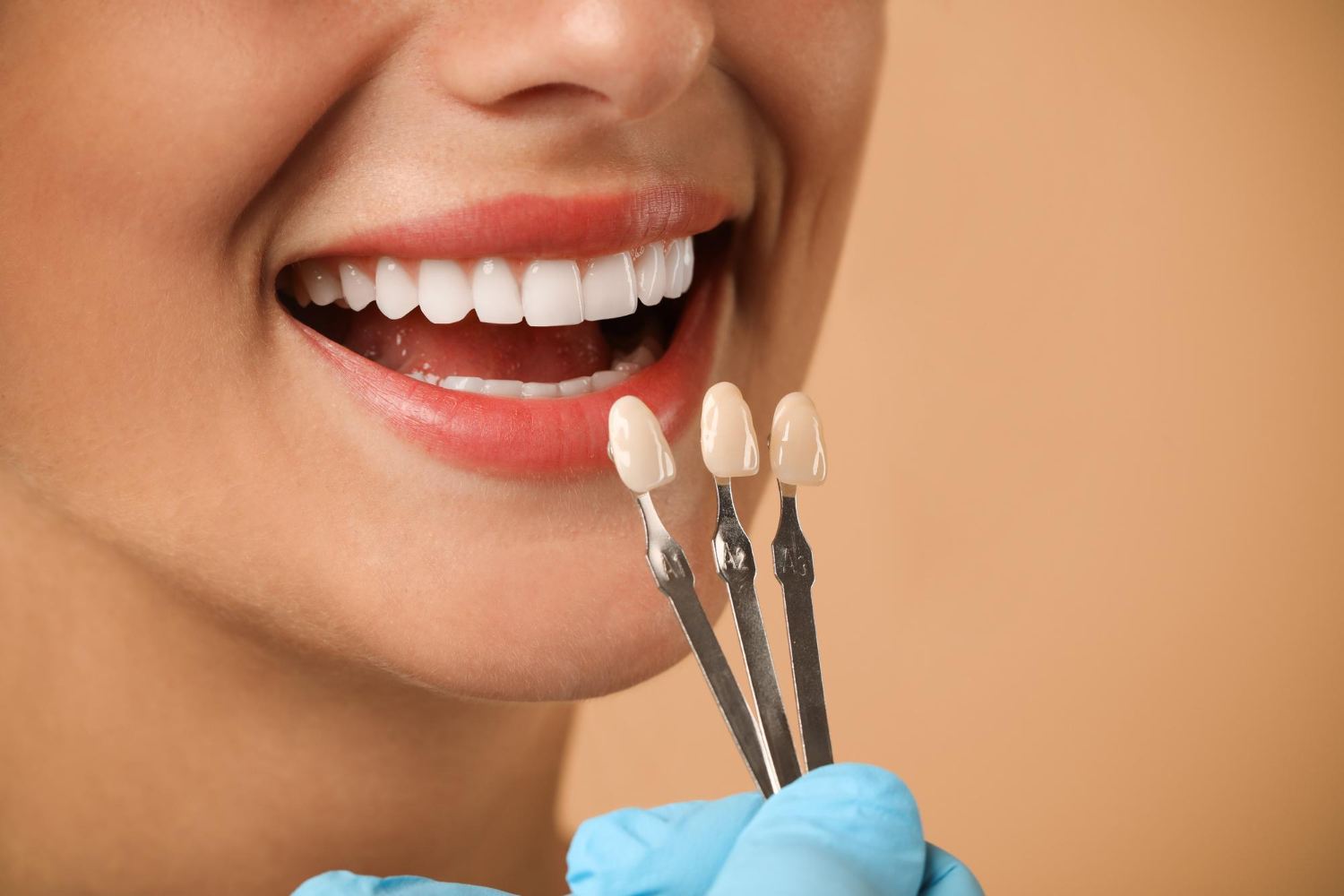
A beautiful smile is about more than bright, even teeth. High-end smile design brings together facial harmony, tooth shape, proportions, and the gum tissue that frames every tooth. When gums are healthy and balanced, custom porcelain veneers can look more natural and feel more comfortable.
For patients considering minimally invasive veneers in the Bay Area, we begin by looking at the full picture. No-prep and minimal-prep veneers can be excellent options for the right smile, but they are part of a personalized design process, not a shortcut. Gum symmetry, inflammation, recession, enamel, bite, and overall oral health all deserve careful attention before we plan a new smile.
Your gumline acts like a frame around your teeth, especially the upper front teeth that show when you smile, talk, and laugh. Even, well-shaped gum tissue can help veneers appear balanced and proportional. On the other hand, uneven gums, swelling, recession, or a high gum display can change how long, wide, or prominent a veneer may look.
Before recommending veneers, we assess your gums and teeth together. This helps us create a smile that suits your features rather than placing porcelain over concerns that should be addressed first.
Our evaluation may include a close look at:
Healthy, stable gums can help porcelain veneers blend naturally with neighboring teeth. If your gums are bleeding, swollen, or receding, we may recommend addressing those concerns before final cosmetic treatment. This thoughtful order can support a cleaner-looking transition between the veneer and gumline, while giving us a more predictable foundation for the final design.
No-prep veneers are designed to be placed with little to no removal of natural tooth structure. Minimal-prep veneers involve a small amount of preparation when needed for fit, shape, or bite. Traditional veneers may require more reshaping of the tooth to create room for porcelain.
The right choice depends on your starting point. When tooth position, spacing, shape, bite, and cosmetic goals allow it, minimal preparation may preserve more natural enamel. That can be an appealing option for someone whose teeth need subtle changes in length, contour, or spacing.
Still, the least preparation is not always the best preparation. Teeth that already sit forward, have deep discoloration, show significant wear, are misaligned, or contain older dental work may need a different plan. Trying to place porcelain without enough room can create a bulky appearance or interfere with comfortable bite function.
For minimally invasive veneers in the Bay Area, we use individualized planning rather than a one-size-fits-all formula. High-quality photography, digital smile planning, detailed scans or impressions, and temporary previews when appropriate help us study the result before the final veneers are made. The goal is an elegant smile that respects your enamel while still looking refined, natural, and balanced.
Veneers are bonded to teeth, but the gums and supporting bone around those teeth shape how the smile looks over time. Ongoing plaque buildup, chronic bleeding, gum disease, or untreated recession may affect the tissue surrounding veneers. Changes in the gumline can make teeth appear longer, expose more tooth surface, or affect the visual harmony of the smile.
Some signs deserve a professional gum health evaluation before cosmetic treatment:
These signs do not tell the whole story on their own, so we encourage you not to self-diagnose. A thorough exam helps us understand what is happening and whether gum care should come before veneers.
In many cases, a comprehensive plan may sequence periodontal care, restorative treatment, and smile design in a sensible order. Allowing gum tissue to become healthy and stable before final veneer placement can support a more natural gumline and cleaner margins around the porcelain. It also helps protect the thoughtful work that goes into custom veneer design.
A smile plan sometimes involves more than veneers. Missing teeth, failing teeth, impacted wisdom teeth, and larger oral health concerns can influence both appearance and function. By looking beyond the front teeth, we can consider how each part of your smile works together.
Dental implants may be part of the plan when a missing tooth needs replacement before or alongside cosmetic treatment. Implant placement and restoration planning can be coordinated with surrounding natural teeth or veneers, helping the final tooth shape, gum contours, and proportions feel consistent across the smile.
For people with extensive tooth loss or multiple failing teeth, All-on-X treatment may be an option to discuss as part of a broader restorative plan. Complex needs may benefit from coordinated planning. We also provide wisdom teeth treatment and sedation options for appropriate patients whose anxiety, surgical needs, or treatment complexity may affect their care experience.
Whether you want teeth that look whiter, straighter, more balanced, or more youthful, the first step is understanding the condition of your gums, enamel, bite, and supporting teeth. At Dr. Lior Tamir’s office, we consider whether custom porcelain veneers, minimal-prep treatment, dental implants, or other restorative care best fits your individual needs and comfort preferences.
The most successful cosmetic result begins with a healthy foundation. A personalized smile and gum health evaluation can clarify which approach respects your natural teeth, supports comfortable function, and creates a smile that feels like it belongs to you.
At Dr. Lior Tamir, we combine advanced smile design with careful attention to your comfort, function, and long-term oral health. Learn how minimally invasive veneers in the Bay Area can fit into a personalized treatment plan. To discuss your goals with our team, contact us today.
