
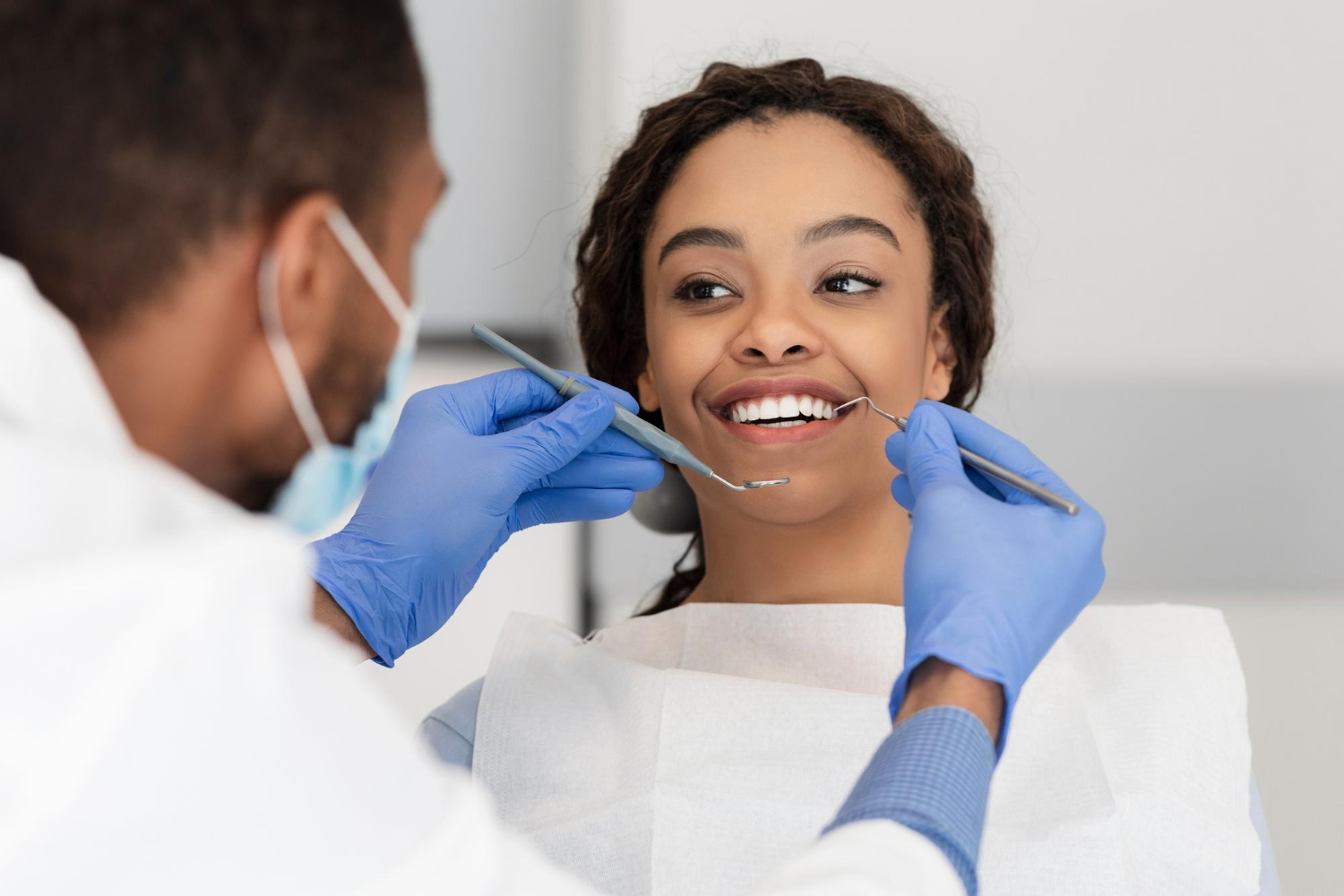
Veneers should not only look good on day one; they should still feel good and hold up years later. One of the biggest factors in how long veneers last is something you cannot see in photos: your bite. If the way your teeth come together is even slightly off, porcelain can chip, crack, or feel wrong when you chew.
At our San Mateo office, we focus on both beauty and function. We use advanced tools to study how your teeth meet, then shape each veneer to work with your bite, not against it. Many people start planning smile changes in the spring, when big events like weddings, graduations, or job changes are on the calendar. That makes this a smart time to plan a safe, long-lasting smile restoration in San Mateo so your teeth are ready long before summer.
Your bite is the way your upper and lower teeth touch, slide, and share pressure when you eat, talk, and rest. It is not just about straight teeth. It is about timing, contact points, and how the jaw joints and muscles work together as you move.
Even small bite issues can cause big problems for veneers and natural teeth. For example, if one veneer hits a bit harder than the others, it can take more force every time you chew. Over time that can lead to chips, cracks, or tender teeth.
Common bite-related issues we often see include:
These bite patterns can quietly shorten the life of a smile restoration in San Mateo if they are not checked and managed first. They can also link to symptoms like:
By understanding your bite before placing veneers, we can plan a smile that is not only beautiful but also comfortable and more stable for the long term.
Old-style goopy impressions were messy and often uncomfortable. At our San Mateo practice, we use digital scanners instead. A small camera glides over your teeth and captures thousands of images in seconds, which are stitched into a 3D model of your mouth.
With these 3D scans, we can clearly see:
Looking at these models from all angles helps us spot subtle problems that could put extra pressure on new veneers. For example, a slightly rotated tooth might need a different veneer shape or thickness so it can share the bite load correctly.
Digital data has other benefits too:
This level of detail lets us design veneers that are not only attractive in the mirror but also built to stand up to your own unique bite forces.
Digital scans show tooth shape and position, but they do not tell the whole story. We also need to know exactly how your teeth touch when your jaw moves. That is where bite records come in.
Bite records are detailed records of how your teeth close, slide, and contact:
These records go far beyond a simple “tap your teeth together” check. They help us find high spots and interferences that could cause a veneer to chip, pop off, or stress the jaw joints, sometimes called the TMJ.
With the help of bite records, we can:
We can even adjust the bite on models or in digital software first. This test stage lets us correct issues in a low-risk way, long before we place the final veneers in your mouth.
Once we understand your bite, the next step is to preview your new smile. Mockups or “trial smiles” let you see and feel planned changes before anything permanent is done.
Mockups can be:
These trial smiles help us check more than just looks. While you wear them, we can evaluate:
You get to live with the new look and bite for a short time and give honest feedback. Maybe you want the front teeth a little shorter, or a contact point softened so it feels smoother. It is much easier to make those tweaks in the mockup phase than after final porcelain is bonded.
For patients choosing a comprehensive smile restoration in San Mateo, this step provides real peace of mind. You can invest in your smile knowing it has been “test-driven” for both esthetics and comfort.
When we put all of this together, we create a plan that is tailored to you. At Dr. Lior Tamir, we combine digital scans, bite records, and mockups to shape a step-by-step veneer approach that fits your bite, your lifestyle, and your cosmetic goals.
A typical plan might include:
If you are thinking about spring or summer events, it helps to start early. Beginning around late March often gives enough time for any bite adjustments, whitening, or short aligner treatment before the final veneers go in. That way, when big moments arrive, your smile is ready, and your jaw is comfortable.
By respecting your bite at every step, we aim to create veneers that look natural, feel good, and are built for everyday life. At Dr. Lior Tamir in San Mateo, our goal is a confident smile that fits you from every angle, not just in photos but in real, daily use.
If you are ready to regain confidence in your smile with expert care, we invite you to explore how our approach to smile restoration in San Mateo can help. At Dr. Lior Tamir, we take time to understand your goals and design a plan tailored to your unique needs. Schedule a consultation or ask a question anytime through our contact us page, and we will guide you through your next steps with clarity and care.
