
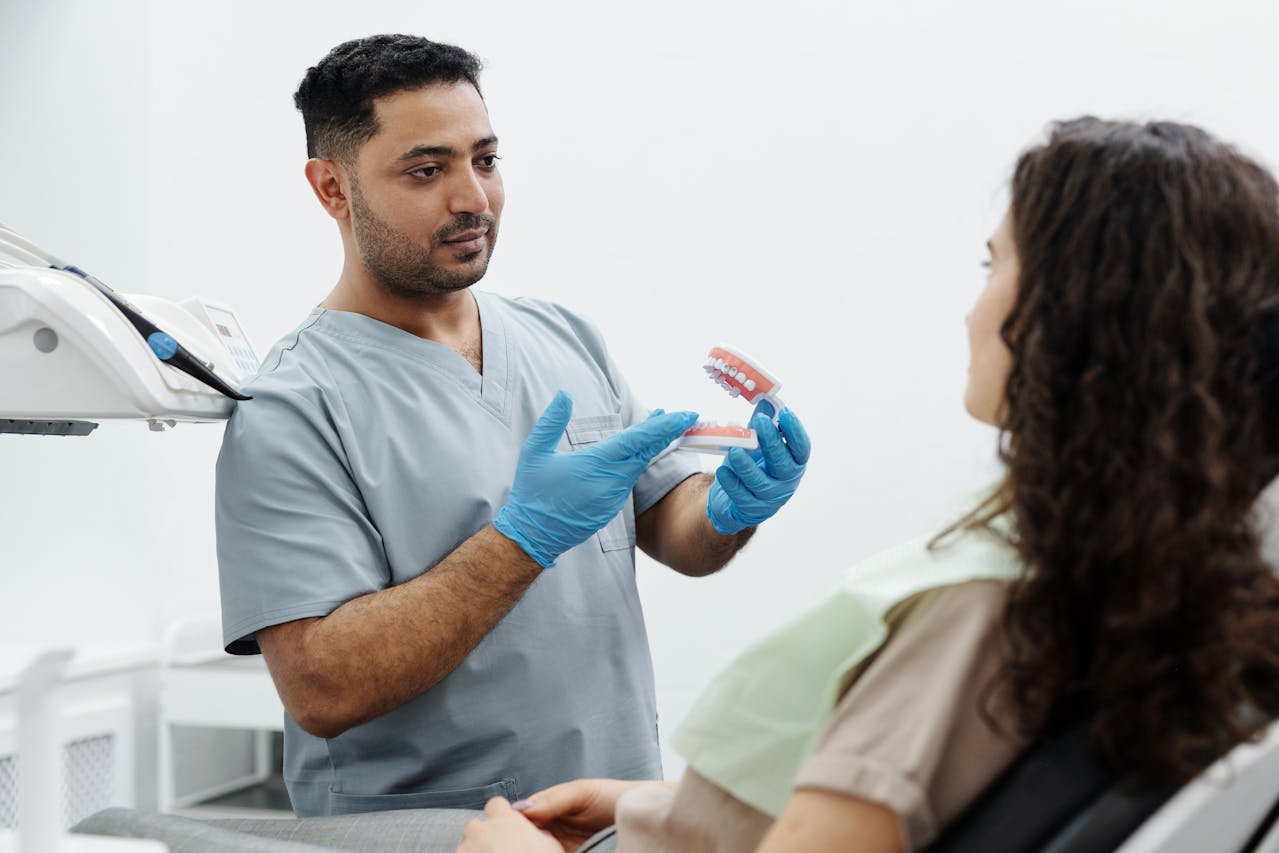
Getting porcelain veneers in Silicon Valley is a big decision and a big investment. You are not just changing the look of your teeth; you are changing how your smile feels, functions, and ages. Once the work is done, the next smart move is making sure those new porcelain surfaces stay protected every single night.
A custom nightguard is one of the most important tools for that protection. It is a clear, dentist-made appliance that fits over your teeth while you sleep. It is very different from bulky, over-the-counter boil-and-bite mouthguards.” For veneer patients in high-stress tech roles who tend to clench or grind, a well-designed nightguard can be the line between a long-lasting smile and early chipping and wear.
In this guide, we explain how nightguard material, coverage design, and digital versus analog fabrication all work together. Our goal is to help you feel prepared to talk with your cosmetic dentist before or right after your veneer treatment so your new smile gets the protection it deserves.
Porcelain veneers change more than appearance. When we place veneers, we carefully adjust how the teeth meet so your bite is balanced and your jaw joints stay comfortable. That means the way forces travel through your bite is different from before, even if the change feels small.
A standard bruxism guard that might work for natural teeth does not always give the same support for high-end porcelain. Veneers need:
Here in Silicon Valley, many patients deal with long hours at a computer, high-pressure deadlines, frequent caffeine, and irregular sleep. All of that can ramp up clenching and grinding, especially during big product launches or busy tax periods. The muscles stay active at night, and without the right nightguard, that extra force goes straight into your veneers and jaw joints
Clinical goals for a veneer nightguard usually include:
When we plan veneer cases, we think beyond the day the veneers are placed. We think about the next five, ten, or more years, and a customized nightguard is a big part of that plan.
Nightguards come in different materials, and not every type is ideal for porcelain work.
Hard acrylic nightguards are fabricated from a rigid, durable acrylic material. They can be very precise and are easier to adjust and polish chairside. For many veneer patients, especially strong grinders or those who have had complex bite rehabilitation, hard guards are often preferred. They help:
Dual-laminate nightguards have a softer interior layer and a harder outer shell. At first, the soft inner surface can feel more cushioned, which some people like. But that soft layer can sometimes encourage more clenching, because the teeth feel like they can "sink in" a bit. Over time, the fit can also lose some precision as the softer material changes.
For Silicon Valley professionals who tend to clench while working or sleeping, we carefully evaluate:
A dentist who plans a lot of porcelain veneers will look at your bite, your veneer design, your grinding patterns, and even your jaw joint health before choosing between hard and dual-laminate. Many veneer cases lean toward hard acrylic, but the final choice should match your unique situation, not a one-size-fits-all template.
Material is only one part of the design. The other big question is which teeth the nightguard should cover.
Common options include:
If you have veneers only on your upper front teeth, the design may focus on protecting those veneers while still keeping the back teeth in a stable relationship. If you have a full-mouth rehabilitation with porcelain on many teeth, then a full-arch design is almost always the safest approach.
Partial coverage may appear appealing due to its smaller size, but it can come with risks:
There are a few situations where a targeted, segmental design could make sense, but this should only happen after a very detailed exam. For veneer patients, we want the appliance to protect porcelain, keep the bite stable, and support a comfortable jaw position, all at the same time.
A thorough appointment before designing a nightguard often includes:
Digital scans or records to map the exact shape of teeth and veneers
That information guides whether we choose upper, lower, full-arch, or more customized coverage so that protection and long-term stability work together.
Once we know the design and material, we still need to decide how the guard will be made. Traditional analog methods use:
Digital workflows use intraoral scanners to capture your teeth and veneers. From there, the nightguard can be designed using CAD software and then 3D printed or milled.
For veneer patients, digital fabrication can offer several key benefits:
On the patient side, digital scanning also means:
When veneers are digitally planned, integrating a digitally designed nightguard keeps the whole system consistent from day one. The same scan data that shaped your smile can help guide the shape and contacts of the appliance that protects it.
Timing matters. The best moment to plan your nightguard is while you and your dentist are planning your porcelain veneers in Silicon Valley, not after a chip happens. Building the nightguard into your smile makeover from the start lets us align veneer shape, bite design, and appliance design so they all support each other.
At home, good care for both veneers and your nightguard includes:
Porcelain veneers can maintain their aesthetics and function for many years when they are supported by thoughtful planning, steady follow-up, and a well-designed nightguard that fits your life and your bite.
If you are ready to explore how a custom smile makeover could fit your goals, we invite you to schedule a consultation for porcelain veneers in Silicon Valley. At Dr. Lior Tamir, we take the time to understand your concerns, explain your options clearly, and design a treatment plan that feels right for you. Use our online consultation request or contact us with any questions, and let us help you take the next step toward a smile you feel proud to share.
